How to Select the Right Partner for Automotive Plastic Parts?
In today's automotive industry, manufacturers face increasing pressure to reduce vehicle weight, improve production efficiency, maintain strict quality standards, and control costs. As a result, Plastic Injection Molding for Automotive Applications has become one of the most important manufacturing processes for modern vehicles.
However, many OEMs, Tier 1 suppliers, aftermarket brands, and procurement managers encounter a critical question:
How do you choose the right automotive injection molding supplier?
The answer goes far beyond machine capacity and pricing. Material expertise, tooling precision, process control, quality management, and supply chain stability all play major roles in long-term project success.
Why Is Plastic Injection Molding Essential in Automotive Manufacturing?
Modern vehicles contain hundreds of plastic components produced through injection molding technology.
Common applications include:
Instrument Panels
Dashboard Components
Interior Trim Parts
Air Vent Assemblies
Battery Housing Components
Sensor Covers
Automotive Connectors
Door Handle Components
Lighting System Parts
Engine Bay Plastic Components
Compared with traditional metal manufacturing, automotive injection molding offers:
Weight reduction
Faster production cycles
Complex geometry capability
Lower production costs
Excellent dimensional consistency
Mass production efficiency
These advantages make plastic injection molding an essential solution for passenger vehicles, commercial vehicles, electric vehicles, and autonomous driving systems.
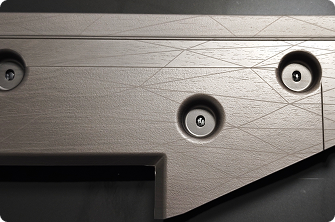
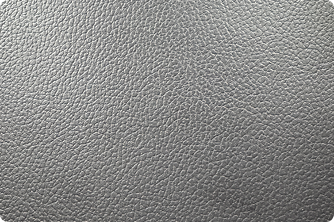
TOM(Three dimension Overlay Method) Leather-type Graining
The Biggest Technical Challenge: Quality Consistency
One of the most common concerns among automotive buyers is maintaining consistent part quality across high-volume production.
Poor process control may result in:
Warpage
Sink Marks
Flash
Short Shots
Dimensional Variations
Surface Defects
These issues can affect assembly performance and increase warranty costs.
A professional supplier should implement strict process monitoring throughout production to ensure repeatability and product stability.
Material Selection Matters
Selecting the proper engineering plastic is critical.
Automotive manufacturers commonly use:
ABS
PC/ABS
PA6
PA66
PBT
PP
PPS
Glass Fiber Reinforced Nylon
Each material offers different characteristics regarding:
Heat Resistance
Impact Strength
Chemical Resistance
UV Stability
Dimensional Stability
The right supplier should provide engineering recommendations based on the operating environment and product requirements.
Examples of Automotive Injection Molded Components
Based on the manufacturing capabilities demonstrated in Yongfeng's product sample portfolio, custom molding projects often include:
Precision Plastic Housings
Automotive Functional Components
Electrical Enclosures
Custom Engineering Parts
Industrial Plastic Assemblies
Complex Injection Molded Structures
These examples demonstrate the ability to support both prototype development and mass production requirements across multiple industries, including automotive manufacturing.
Advanced Technologies Behind High-Quality Automotive Parts
Precision Mold Design
Tooling accuracy directly affects final part quality.
Advanced mold engineering improves:
Surface Finish
Part Consistency
Cycle Time
Production Efficiency
Multi-Cavity Tooling
Supports high-volume automotive production while maintaining consistency.
Scientific Injection Molding
Process optimization helps reduce defects and improve repeatability.
Automated Quality Inspection
Modern inspection systems improve measurement accuracy and process control.
CAD, CAM and Mold Flow Analysis
Digital engineering tools help identify potential production risks before manufacturing begins.
What Should Automotive Buyers Evaluate?
Manufacturing Experience
Automotive projects require suppliers with proven production experience.
Tooling Capability
In-house mold design and mold manufacturing improve project control.
Quality Management System
Look for suppliers with documented quality procedures and inspection systems.
Production Capacity
Stable capacity is essential for long-term vehicle programs.
Engineering Support
Professional suppliers assist with:
Design Optimization
Material Selection
Prototype Development
Tooling Design
Mass Production Planning
Recommended Automotive Injection Molding Solutions
Yongfeng provides customized manufacturing services for automotive and industrial customers.
Recommended solutions include:
Automotive Interior Components
Designed for durability and visual consistency.
Automotive Electrical Housings
Supporting modern vehicle electronic systems.
Custom Plastic Structural Parts
Suitable for lightweight vehicle design projects.
Precision Injection Molded Assemblies
Providing dimensional accuracy and repeatable performance.
Prototype to Production Services
Supporting product development from concept to mass manufacturing.
Why Choose Yongfeng?
Yongfeng has accumulated extensive experience in custom plastic injection molding and precision manufacturing.
Key advantages include:
Advanced molding equipment
Experienced engineering team
Custom mold development capability
Strict quality control procedures
Flexible production capacity
Global export experience
These strengths help automotive customers reduce development risks and improve supply chain reliability.
Conclusion
As vehicle technology continues evolving, Plastic Injection Molding for Automotive Applications remains one of the most effective manufacturing solutions for lightweight, durable, and cost-efficient components.
For OEMs, Tier 1 suppliers, aftermarket brands, and procurement professionals, selecting the right manufacturing partner is critical to project success.
With engineering expertise, tooling capabilities, and quality-focused production systems, Yongfeng helps customers achieve reliable automotive component manufacturing from prototype development to large-scale production.


评论
发表评论